
Our Sevices
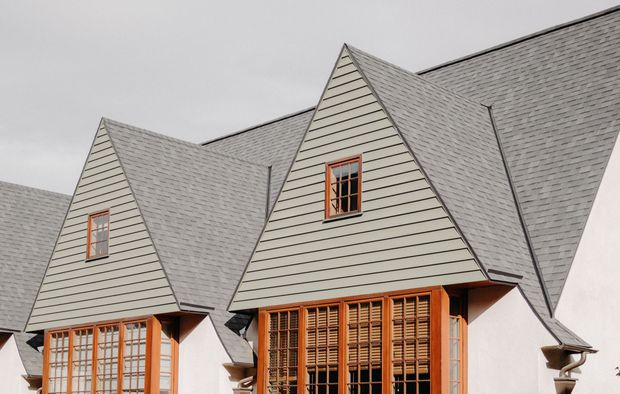
When your asphalt roof has cycled through its second Wasatch winter past its warranty, the signs are hard to miss. Granules in the gutters, curling tabs along the south slope, dark streaks running down toward the eaves. On Ogden homes from the Bench down to West Haven, roofs that were installed during the 2005–2010 building wave are hitting replacement age right now, and the wind events coming out of Ogden Canyon do not wait for you to be ready.
We replace roofs the way they should be replaced: full tear-off to the deck, decking inspection for rot or storm damage, proper underlayment for our freeze-thaw climate, and architectural shingles rated for the wind loads our market actually delivers. If you are coming off an insurance claim, we coordinate the full process from adjuster meeting through final cleanup. See what a proper Ogden roof replacement looks like, what it costs in 2026, and why tear-offs beat layovers on the Wasatch Front.
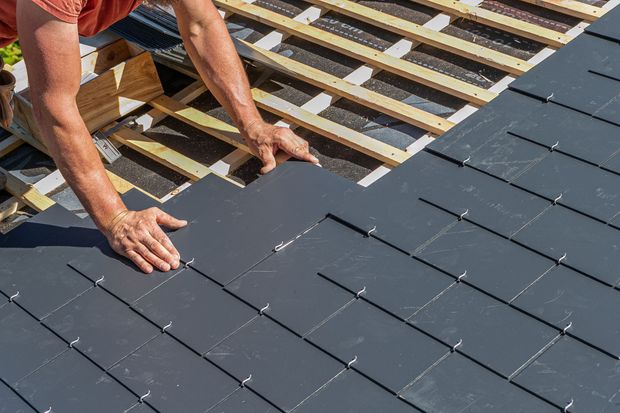
A ceiling stain appears in the upstairs bedroom after a late-March storm. A few shingles are scattered across the lawn after canyon winds push through overnight. Ice dams built up along the north eave last February and now water is showing up in places it should not be. These are the calls we take every week from homeowners across Ogden, North Ogden, and Roy — real problems that start small and get expensive fast if the wrong crew patches the wrong thing.
Most roof leaks are not where the stain appears. Water travels along rafters, flashing, and decking before it finds a place to drop, and finding the actual source takes experience with Ogden's specific roof styles and failure patterns. We diagnose honestly, repair what needs repair, and tell you plainly when the damage is past the point of a cost-effective fix. See how we handle Ogden roof repairs, what they typically cost, and how to tell a repair from a replacement before you spend a dollar.

A single hailstorm moving through Weber County can drop enough ice in fifteen minutes to total every asphalt roof on the block. The damage is rarely visible from the ground, which is exactly what insurance companies count on. Homeowners look up, do not see missing shingles, and assume they are fine. Six months later the ceiling starts staining, the claim window is closing, and the adjuster has every reason to blame the damage on wear and tear rather than the storm they should have claimed in May.
This is where we specialize. We inspect thoroughly, document storm damage the way adjusters need to see it, meet them on-site so nothing gets missed or undervalued, and file supplemental claims when decking damage is found mid-project. We never ask you to skirt your deductible or participate in anything that puts your claim at risk — that path leads to fraud charges under Utah law, and the contractors who offer it are cutting corners on a lot more than that. See how the full claim process works, what the first 24 hours after a storm should look like, and why choosing a local Ogden contractor beats an out-of-state storm chaser every time.
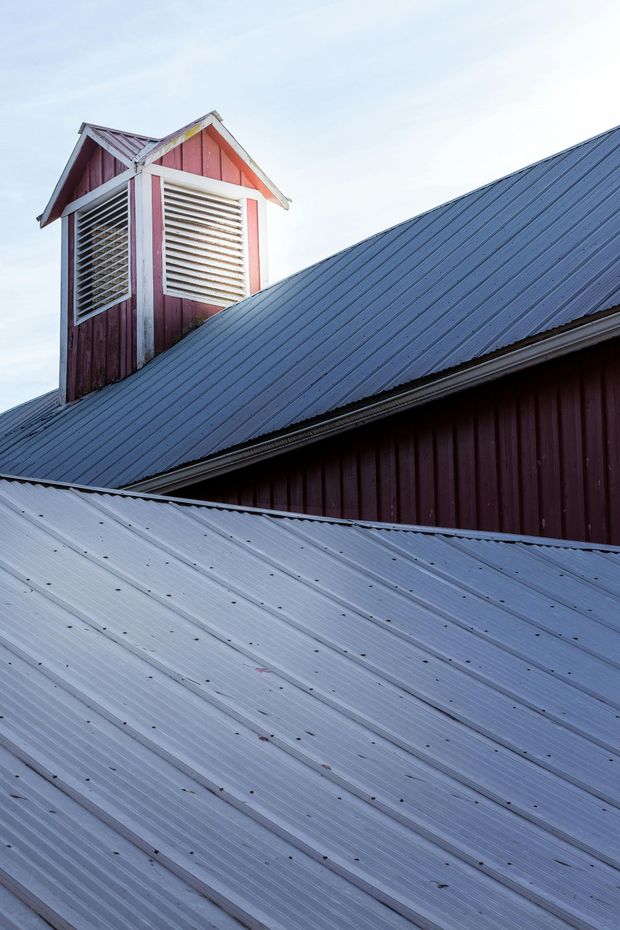
More Ogden homeowners are switching to metal every year, and the reason is usually the same story told twice. The asphalt roof got blown up Ogden Canyon in a 70-mph gust event. Insurance covered the replacement. When they were already paying a deductible and dealing with a tear-off, they did the math on installing a roof that would outlast the next three asphalt roofs combined. Standing seam, metal shingles, and ribbed panels are all real options on residential Ogden streets now, not just mountain cabins.
We install all three systems and we will give you honest economics on each — including the most common question we field, which is whether an insurance claim can help offset a metal upgrade. The short answer is that insurance does not pay for metal, but your storm settlement can be a meaningful foundation toward one. Explore the real numbers for standing seam, metal shingles, and ribbed panels in Ogden, the climate case for metal along the Wasatch Front, and how the upgrade math actually works.
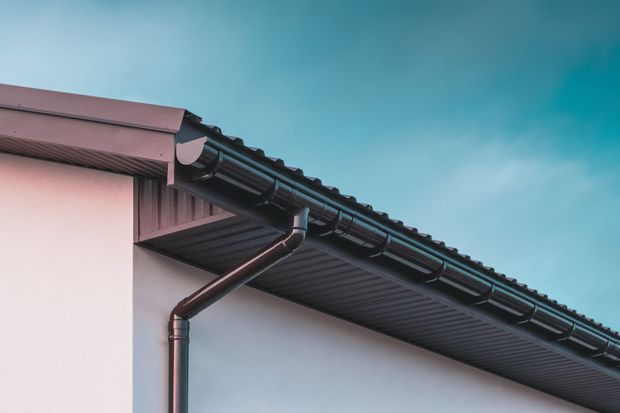
Gutters are the exterior component Ogden homes abuse the hardest. Spring snowmelt off an east-bench roof moves fast. Canyon wind events test every hanger. A hundred freeze-thaw cycles per winter pull sectional seams apart one joint at a time. The builder-grade gutters that came with your home were almost certainly undersized, installed with the wrong hangers at the wrong spacing, and on some homes, screwed into fascia that was already soft before the install started.
We install seamless aluminum gutter systems formed on-site, sized for actual Ogden snowmelt loads rather than industry defaults, and anchored properly so they hold through the next decade of canyon wind. We also document storm damage for your insurance claim at no extra cost, and we will tell you honestly why gutter guards are not the ice dam fix most contractors sell them as. See what a gutter system built for the Wasatch Front looks like, what it costs in 2026, and why 6-inch with 3x4 downspouts is the right answer for most two-story Ogden homes.
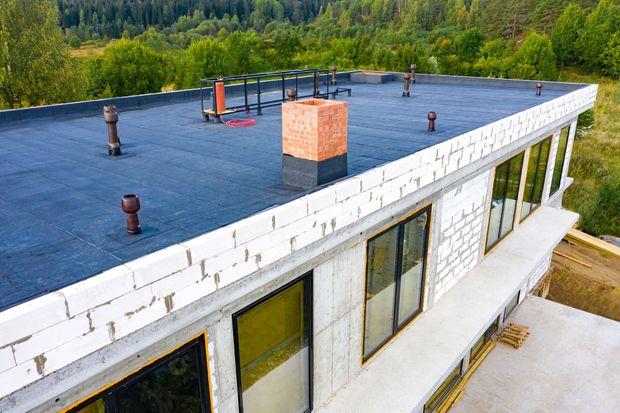
Flat roofs on the Wasatch Front live a hard life. The snow that slides off a pitched roof sits on a flat one for weeks at a time, and every freeze-thaw cycle works water into seams, flashing, and field penetrations. Ogden has flat and low-slope sections on more homes than most people realize — mid-century modern homes through central Ogden and the Bench, additions and dormers on older Washington Terrace homes, porch roofs and sunrooms throughout Roy and Clearfield. Add the small commercial buildings along 25th Street and Washington Blvd, and there is a real market for flat roofing done right in Weber County.
We install and repair TPO, PVC, EPDM rubber, and modified bitumen systems sized for Ogden snow loads and canyon wind exposure. We also handle the problem most flat roofs have in our climate, which is drainage — undersized scuppers, improperly pitched decking, and tapered insulation that was cut short to save money on the original install. See what flat and low-slope systems actually work on the Wasatch Front, how they compare on cost and lifespan, and why proper drainage matters more than the membrane you pick.